Guide
Medical go bag
Start with a small kit you have opened, and a paper list of the medicines you already take. This page gets more specific further down. It does not turn you into a clinic.
101 · kit and prescriptions
Two things. A basic kit for small injuries, and the medicines that are already yours.
- Basic first aid kit. Bandages, gauze, tape, gloves, wipes, a little antibiotic ointment. Open it once at the kitchen table so the first time is not in the dark.
- Prescription medicine. A paper list: name, dose, what it is for, and the prescriber. Put a copy in the go bag. Do not put someone else’s prescriptions in the bag to “be ready.”
- What you cannot skip today. An inhaler, a day’s insulin supplies, an EpiPen, spare glasses. If missing a dose today is dangerous, that item is in the bag, not in a drawer you might not reach.
One ordinary kit, in stock when this was written:
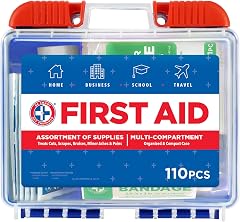 Be Smart Get Prepared 110-piece first aid kitA small hard case for the bag: bandages, wipes, a little ointment, gauze, gloves, tape. Open it once so you know what is inside. A second copy can live in the car. It is not a substitute for your prescriptions.
As an Amazon Associate, Getting Prepared Now earns from qualifying purchases. These are ordinary basics, not a required shopping list. Listings change. Check the name, that you are buying one unless it says otherwise, and that it is in stock.
A kit does not replace a doctor, and it does not replace 911 when you can still call. Deep wounds, trouble breathing, chest pain, and a bleed you cannot stop are not kit problems.
201 · medicine for 72 hours
The kit from the top of this page is still the kit. This rung is three days of the medicines you take, not a hospital in a box.
- Ask the pharmacist or the prescriber what an extra few days looks like for each prescription. Do not skip doses to build a stash.
- Do not share prescription medicine with a neighbor who ran out. That feels like help and it can hurt both of you.
- Write the list again if anything changed. The copy in the bag has to match the bottles.
- Add the unglamorous health supplies: soap, menstrual supplies, spare glasses, hearing-aid batteries, glucose strips, the charger for a device someone needs in order to be safe.
Hygiene for those three days with low water is also on 201. This page is the part that is actually medical.
301 · a month, when the refill may not come
A month of restoration can outlast a prescription bottle. You will not solve that by buying a suitcase of pills.
- The paper list and the out-of-area person from 101 are how you ask for a refill when your usual pharmacy is closed. A website cannot authorize that refill.
- Know which medicines must stay cool. A phone power bank does not run a refrigerator. If a drug is unsafe when warm, that is a question for the pharmacist before the outage, and it belongs on the paper list in plain words.
- The kit is still for small cuts and scrapes. If someone is getting worse over days, the plan is professional care as soon as a road or a phone works, not a bigger box of bandages.